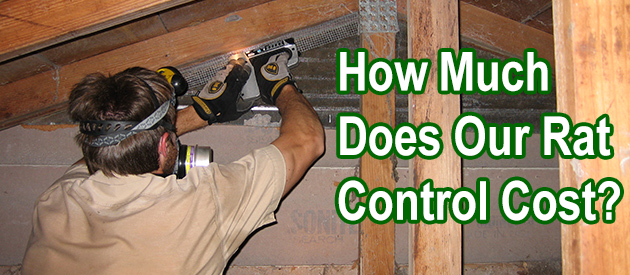
DC County, Washington DC Rat Control Situation:
I am a double heart transplant/cancer patient and not in good health. I have discovered a huge hole on the outside of my home, which is allowing critters in my attic. I do not know what they are, but possibly roof rats. Their presence could very well kill me, since I have no immune system to help me fight bacteria. I would like to know the cost of removal & repair of the area which they have ruined on the side of my home. I am a senior citizen who can no longer work and have little disposable income to pay much, since my medical bills are so high. Is it possible to get an estimate for this & also a time frame from when it can be done? I spend a lot of time in the hospital and just finished a 3 month stay, which included another cancer surgery. I live in Washington DC. My phone does not ring in properly, in fact, gets poor reception, same as my Internet service, but they blame it on my area. So please use my email when possible. I would appreciate a reply ASAP. Thank you very much. J Hill
My response: The presence of rats won't kill you.
Washington DC Rat Control Tip of The Week
Where Do Rats Live During The Summer?
Rodents have been able to colonize most of the earth's habitats. Different species of mice and rats are found from warm deserts to tropical mountains. Polar zones are considered the only place without rodents.
During summer, their survival instinct takes rats to shelter in place in which food is abundant and easy to get. The favorite places for rats are country houses and barns that provide them plenty of food. On the other hand, in the cities, most of the rats live in sewers where they feed on fruit, meat, and bread residues that are discarded in the garbage.
The Urban Plague
Rodents are big and repulsive. The two most known species are the gray rat or sewer rat, (Rattus Norvegicus), and the black rat or roof rat (Rattus Rattus). Although there are different species, they are both characterized by their lack of hygiene, as they live in filthy areas.
These creatures have the ability to acclimatize in urban environments because with the arrival of summer, they reproduce and start to invade people's homes to find food and shelter. Rats are among the animals that proliferate the most during summer since proper conditions for the pups' development are warm and dry conditions.
Inside Homes
Rodents will look for food and residues left on the floor. Also, places with plenty of holes and clutter. From a small crack in the wall to a space behind the fridge or the washing machine, these will be perfect places for a rodent to find refuge to save its food, live comfortably, and reproduce.
To prevent invasion problems, it is advisable to call a specialist in pest control. Proper rat extermination should be combined with actions such as tightly closing garbage cans, cleaning of the house, and other preventive measures.