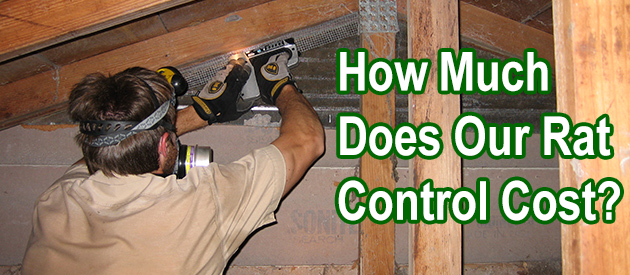
Lucas County, Toledo Rat Control Situation:
Hi David- Thank you very much for your site. It has been extremely helpful. I caught my first and I hope only rat tonight (I know that's doubtful) due to your trapping advice. That said, I need advice on how to deal with rats burrowing into dirt basements. I have a half basement with a dirt crawl space and a narrow dirt trench around the perimeter for drainage. We found a rat a week ago and saw it has burrowed two holes outside down into the basement. Obviously it opened it up after we filled it in. Short of getting a new foundation I have no clue what to do. The best advice I have found was to put hardware paper down but that would be difficult in the crawl space. I spoke with a professional trapper in Toledo OH and he said there wasn't much I could do about them getting in other than keeping the traps set. We have lived here 8 years and never have seen a rat before. Mice yes but we have worked hard to close up the holes but clearly this is a different ball game. We are in a rural area and there are no dumpsters and the neighbors are clean etc. So I do not think it's a matter of cleanliness. Any advice you could give would be more than appreciated. And again, thank you for your site!!
I have sent a picture of the droppings I found, is it from a rat? I have set 2 traps in my attic and rat poison in saucers some of which has been eaten, but still have the rat or rats. I don't know what to do next buy some more poison? as I've run out. I did not want to pay a pest control company as I think normally they just use poison anyway, but if I cant get rid of them will have to. Shall I put the traps where the droppings were seen. This is terrible I can hear it or them at night in the attic, and would appreciate your advice.
Hi David! Thanks for your site and all of the useful info. I searched for the following for days, and still have nothing. How long do diseases remain "alive" in rat feces ? I have evidence of rat nesting in my outdoor storage shed that I first noticed about 6 months ago. I plugged the point of entry with steel wool and have not seen any activity since. I plan to clean the disturbed area and discard the damaged things. My question is, considering the age of the feces, is it and the contaminated area still potentially toxic or just ugly dirty !?
Toledo Rat Control Tip of The Week
Tips To Get Rid Of Rats In The Attic
It's normal for you to have that sinking feeling in the pit of your stomach when you keep hearing that scurrying sound coming from your attic because of the indecent activities of rats. To put an end to this weird feeling, you need to get rid of the rats living in your attic.
Have you been wanting to do this but you don't know how to go about it? Right here, we will be sharing some tips on how to get rid of rats in the attic. With the following tips, you will be able to do as you please and keep your attic free from rats.
When it comes to getting rid of rats in your attic, the first thing you need to do is to inspect your house in order for you to know exactly how the rats got into your attic. Being a very flexible animal with an ability to sneak around and pass through openings as small as a quarter of an inch, rats can enter into your attic through different openings. What this implies is that you need to inspect your attic properly to know how they got in.
The second step you need to take is to inspect your attic to know the extent to which the rats have damaged your attic. Rats in the attic are capable of chewing your wires and tearing the insulation in the roofing for their nests.
After inspecting the attic, the next thing you need to do is seal up all the entry holes that you were able to find while inspecting the attic. This should be done with durable materials that rats can't chew. Materials like this include steel screens and metal.
Lastly, you need to trap or kill the rats using either a snap trap or a one-way exclusion funnel. Do not use rat poisons to get rid of the rats in your attic. It will only create more environmental problems instead of reducing them.