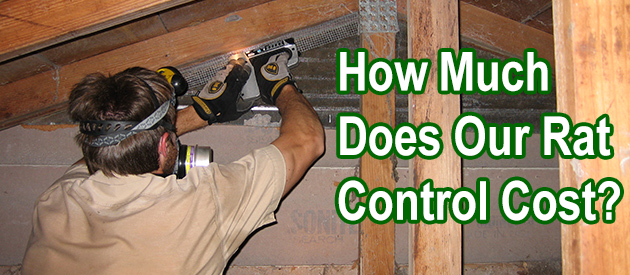
Maricopa County, Phoenix Rat Control Situation:
Good evening! we have a home in downtown Phoenix that is experiencing some rat problems. Three years ago I purchased our home. It had been vacant and the attic had been infested with rats. We were successful in eradication and repairing the points of entry. However, I'm concerned about the feces that's were left behind. I rarely access the attic but it is something I would like to resolve. I have read your website and found that you offer a decontamination and or feces removal services. I am interested in learning the cost range of your services. we are able to trap and get rid of them but our bigger concern is the amount of droppings and urine that seem to be everywhere. We have blown insulation and i feel like we might need to look at a complete removal of the insulation. If that is done we are capable of putting in new insulation but feel the removal might be a little out of our scope. Can you please call me so we can discuss the issues and make a plan of action to include getting ideas and prices. we would like to get this done pretty quickly so your quick response is greatly appreciated! thank you!!
I need some advice on how to get rid of rats that are in my dog kennels. I have 10 beagles and the rats are burrowing under the kennels and the dog houses. I have tried snap traps outside of the kennels but that only catches a few. I need a way to get rid of the rats for good without harming the dogs. The dogs keep digging holes trying to get to the rats which is causing a problem and if I use poison the dogs will eat the dead rats and that would not be a good thing. I need to find a way to fix this problem for good. Please give me some kind of solution to try, I am looking for anything. Thanks
My response: That's a tough case. I'd use snap traps enclosed in plastic boxes, like Snap-E trap in the Protecta box.
Phoenix Rat Control Tip of The Week
What To Do If A Rat Bites You
Recognize A Rat Bite:
They are usually a small and single puncture wound with the chance for a small number of cuts. They also bleed and can cause painful swelling. If the bite gets infected, you may also start to see the signs of pus.
Recognizing Rat-bite Fever:
Rat-bite fever can include joint pain, fever and chills, muscle pain, vomiting, headaches, and more. These can be common in people of many ages so if your children get bit or another family member is bit, you will need to recognize these signs as well.
Rat Bites And Treatment:
If you have received a rat bite, there's an easy treatment option such as washing the area with warm water and soap. Drying your area with a clean towel and using antibiotic ointment can be important as well. Then, cover the area with a clean bandage. Even if the bite you have seems minor, you will need to see a doctor as soon as you can to get a tetanus shot. A rat bite can give you an increased chance of developing tetanus.
Treatment Period:
You will need to treat the area for 7-10 days with antibiotics to make sure that you do not develop an infection. Taking an antibiotic for this amount of time will make sure that the infection will have a lesser chance to develop and cause you ongoing symptoms or issues.
If You Are Infected:
Go to a doctor and take a full course of antibiotics as prescribed. If you do not finish your medication, you could be putting yourself at risk and this can lead to ongoing problems even after you have received your first few rounds.