Ingham County, Lansing Rat Control Situation:
I was reading your site and I am trying to find a good way to keep the pack Rats out of the engine compartment of my car. I live in the Southern part of Lansing MI and it is mostly forest. I have a carport so it is open. I have to clean out a nest in my car about every two months because of a nest. I have used the traps in the common areas and have caught about 50 rats during the summer. My question to you after reading your article is the best way for me to take care of this is put a trap under the car, I have a live trap along one wall as well as one of the Victor traps. Hope you can help.
Morning David, Am I glad to check your website!! I have a rat problem in our house. These are not just rats, theyr intellects !! Trust me !! They first started with the kitchen lower cupboard, we cleared all food items from there and now they cruise around in the living room. We have set traps, blocked all holes that may be a source of entrance, we even used poison.. one night, we set the poison under the cupboard in one of the bed rooms as my husband saw a mouse run under it. In the morning both the poison tablets were away from the cupboard as if they were trying to say" Thanks but no thanks!!" They eat away the peanut butter from traps and still survive.. I'm really sick of them and the smell is even worse... using rat exterminators is expensive and we are trying to get rid of them ourselves.. the traps we have used are the old fashioned wooden traps, those plastic type boxes, and a few other similar ones, Poison as well.. nothing works.. Need your advice ASAP
Lansing Rat Control Tip of The Week
What To Do If There Is A Nest Of Rats In Your Attic
Being a commensal rodent, rats live and thrive very well in human settlements. When you have them in your home, these pests will most likely harbor in your attic and make it their nesting place. If you have rats nesting in your attic, the first sign you will notice is scratching and scurrying sound in the ceiling of your home at night.
Having confirmed that there are rats nesting in your attic, you might be thinking of what to do and the best way to handle the situation. Right here, we will be sharing all you need to know about what to do when you have rats nesting in your attic.
1. Attic Inspection
After noticing some unusual sounds in your attic, the first thing you need to do is to inspect your home to confirm if there are rats nesting in your attic or not. While inspecting your home, you need to also determine how the rats got into your attic and where they are nesting.
2. Repair The Rat Entry Holes
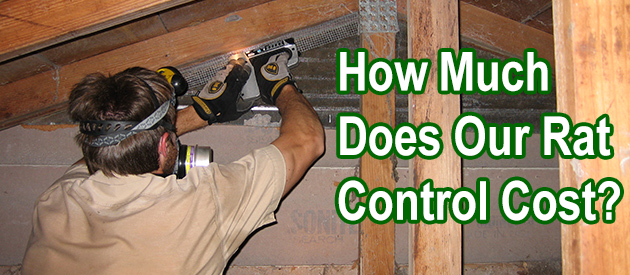
If you are lucky enough to find their entry holes, you need to seal them before doing any other thing. Sealing them off prevents other rats from entering your attic after you have removed all the rats already nesting there.
3. Remove The Rats
After the sealing and the repair job, the next thing for you to do is to remove the rats. To do this, all you have to do is set as many snap traps as possible in different locations in your attic. To increase your chances of trapping more rats, you need to bait the snap trap with baits like peanut butter or any other dry nut. This will help attract the rats to the traps.
4. Clean The Attic
Finally, you need to clean up your attic with a strong disinfectant, to ensure that you are safe from bacteria and other pathogens deposited by the rats.