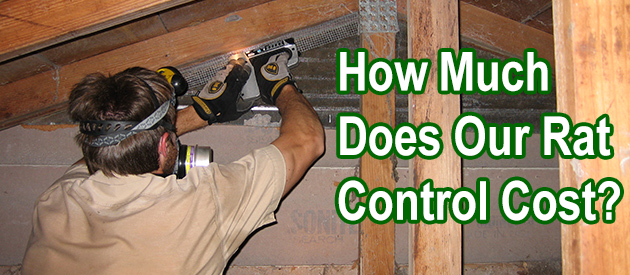
Hudson County, Jersey City Rat Control Situation:
hi david, i came across your site... guess why? There's a rat between my unit (main level condo) and the upper unit. it runs up and down the chimney, across my ceiling in a soffit in a space about 4' wide x 12' long x 2' high. my handyman set 2 rat traps yesterday via removal of a can light ( also took photos of the feces to verify not squirrel). they both went off withing 20 minutes of setting but the creep didn't get caught even though there was a huge scuttle that sounded like the tasmanian devil. to find out, the handyman set the traps on top the 2x4. argh. it was quiet all night and just as soon as we thought it was scared away, the noise started up this morning. local exterminators want to drop pellets after an 'exterior inspection' for $300 - $400. (the squirrel catcher assessed the roof and grounds yesterday and yes there are a few places and probably more.) people who have poisoned rats that haven't been able to get outside say not to use poison because the animal stench is hideous and lasts up to 6 weeks. at the moment, the varmit is banging around up there, i guess walking around the traps. any suggestions? it's driving us crazy, esp when it gets aggitated or perhaps fending off a competitor - it literally sounds like a bar room brawl. thanks
Jersey City Rat Control Tip of The Week
how Can I Modify My Property To Keep Rat Populations Down?
This modification initially should include house inspection to comprehend what sort of changes that the house essentially needs.
One basic strategy is to diminish the access of rats to foods and get a new place for their habitat. Automatic doors, for example, are a perfect passage that will close quickly once everyone has gone through. It won't leave any hole that can invite the rats to come. Rats are clever because they can detect the holes, even the tiniest ones in pipes. As a result, it is easy for them to get to the divider and use it as a safe house. It is recommended to move plants and wires far from your buildings because rats can use them to climb up inside your home.
Sewers are likewise the ideal entryway for these rats to get inside the house. This is why the rat-proofing plan has to come up when you want to build a home or renovate a house.
Traps can likewise be set since it is by a long shot, the best method to catch rats - as rats can run quickly and effectively escape, it might be difficult for humans to find them utilizing their uncovered hands. Typically, catching is perfect for businesses working with large spaces and holes that might not be distinguishable.
Another modification is to try putting away foods appropriately inside containers that are rat-proof. Garbage should be properly sealed and shut because it may attract rats. When you store garbage in a can, ensure that the cover is tight enough.
Keeping up regular maintenance of the building won't allow any breaks and holes to appear. Great fixes are essential because rats can effectively fit a coin size gap and eat the foods inside your home.